




Static vs. Dynamic Wrinkles: Differences & How to Treat Both
Not All Wrinkles Are Created Equal
Have you ever bought a highly-rated anti-aging cream, used it religiously for weeks, and felt like it did absolutely nothing for your forehead lines?
It’s a common frustration, and the reason often isn't the product quality—it's the *target*.
Here is the truth that many skincare brands don't explain: Not all wrinkles are created equal.
Biologically, the lines etched around your eyes from smiling are completely different from the deep-set folds near your mouth. They have different causes, different behaviors, and most importantly, they require **different ingredients** to treat effectively.
If you’re using a collagen-boosting cream on a muscle-contraction wrinkle, you might be missing the mark.
Today, we’re breaking down the science of *Dynamic vs. Static wrinkles* so you can finally build a routine that actually works.
1. Dynamic Wrinkles: The "Expression" Lines
Dermatologists categorize facial lines into two distinct types: Dynamic Wrinkles and Static Wrinkles. Understanding the biological difference between them is the single most important step in building a skincare routine that actually delivers results.
If you’ve been treating all your lines with the same jar of cream, you might be missing half the puzzle. Here’s the science behind the two types of wrinkles and—more importantly—how to target each one.
What Are Dynamic Wrinkles? (The "Expression" Lines)
What are they?
Dynamic wrinkles are caused by repetitive muscle movement. Every time you smile, frown, squint, or raise your eyebrows, the underlying muscles contract and fold the skin. Over time, these temporary folds become etched into the skin.
Think of it like folding a piece of paper. The first few times, you can smooth it out. But if you fold it in the same place thousands of times, a permanent crease forms.
Where do they appear?
* Crow’s Feet: Outer corners of the eyes (from smiling/squinting).* Forehead Lines: Horizontal lines across the forehead (from raising eyebrows).* The "11" Lines: Vertical lines between the eyebrows (from frowning).
The Solution: Argireline™
Since these wrinkles are caused by muscle tension, the most effective way to treat them is to *relax that tension*.
This is where *Argireline™* comes in. Often referred to as "Botox® in a jar" (though non-invasive), Argireline™ is a potent peptide that mimics the effects of botulinum toxin. It works by intercepting the signals that tell your facial muscles to contract excessively. By relaxing this tension, the skin above the muscle can smooth out, preventing new lines from forming and softening existing ones.
Targeted Treatment:

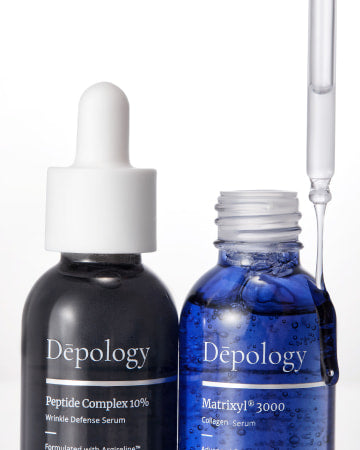
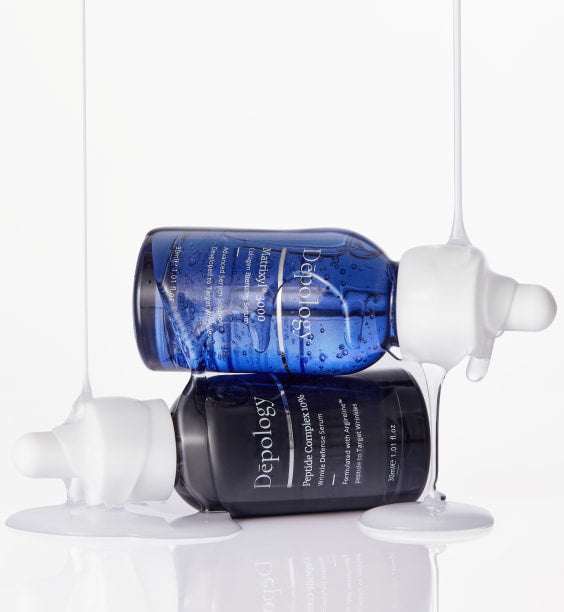
Peptide Complex 10% Argireline™ peptide Serum
2. Static Wrinkles: The "Gravity" Lines
What are they?
Static wrinkles are different. They are visible even when your face is completely at rest (hence "static"). These are primarily caused by the natural loss of collagen and elastin as we age, along with gravity and environmental damage.
As your skin’s structural support weakens, it begins to sag and fold, creating deep-set lines that have nothing to do with your facial expressions.
Where do they appear?
* Nasolabial Folds: The "smile lines" running from nose to mouth.* Cheek Hollows: Loss of volume in the mid-face.* Neck Lines: Horizontal rings around the neck (tech neck).* Marionette Lines: Lines running from the mouth to the chin.
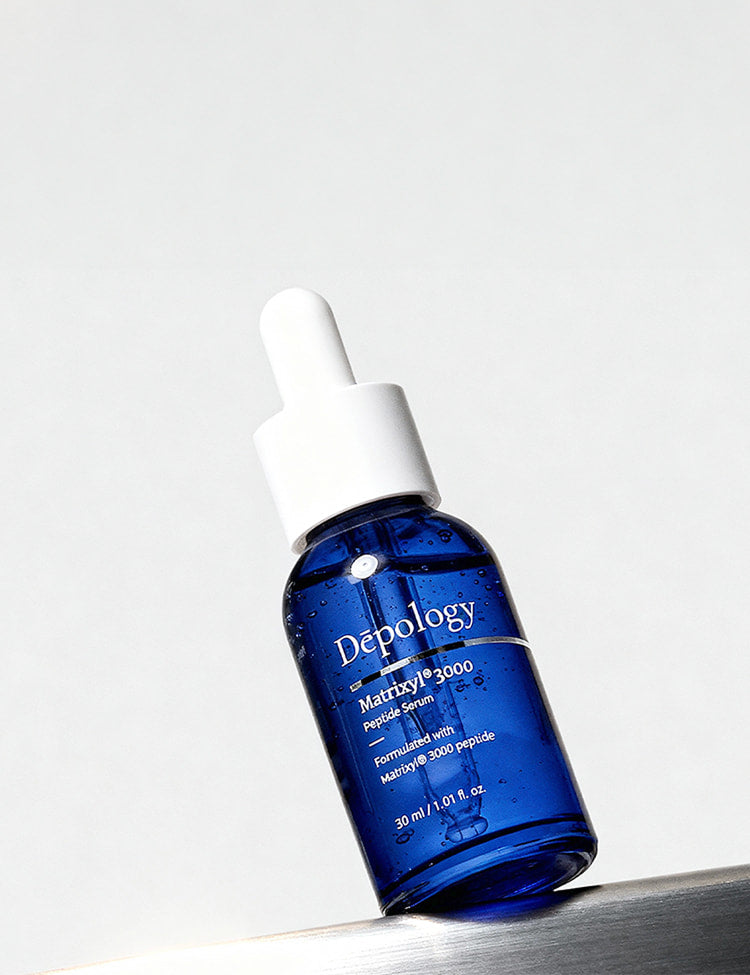
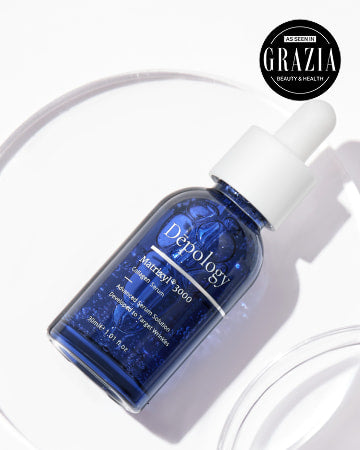
The Solution: Matrixyl® 3000
You can't relax a static wrinkle away—you need to *rebuild* it.
The gold standard for this is *Matrixyl® 3000*. This peptide complex acts as a messenger, tricking your skin into thinking its collagen has broken down. In response, your skin goes into repair mode, stimulating the production of new collagen and hyaluronic acid. This helps to "fill in" the wrinkles from within, restoring structure and firmness.
Targeted Treatment:

3. The "Mirror Test": Which Type Do You Have?
Not sure which lines you’re dealing with? Try this simple test:
1. Stand in front of a mirror with a completely neutral, relaxed face.
2. Look at the lines on your face.
Can you see them clearly while resting? These are Static Lines.
3. Now, make a big smile or raise your eyebrows.
Do new lines appear or do faint lines become deep grooves?These are *Dynamic Lines*.
Conclusion:
Understanding your skin is the first step to transforming it. By distinguishing between the lines caused by your beautiful expressions and the lines caused by time, you can choose the right tools for the job.
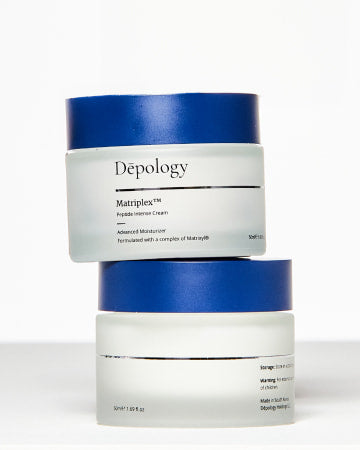
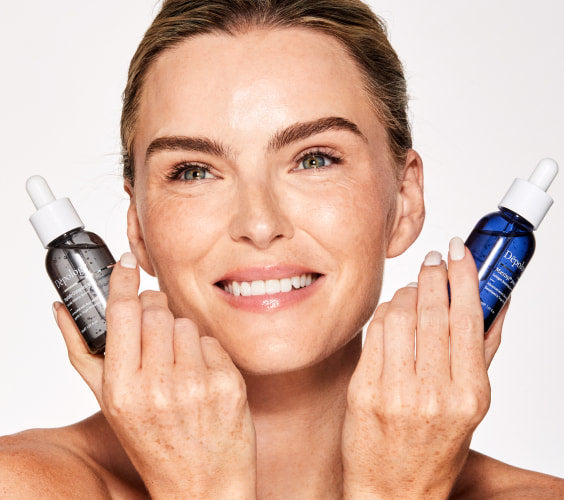
You don't have to choose between them. For the best results, let *Argireline™* handle the movement and *Matrixyl®* handle the structure.